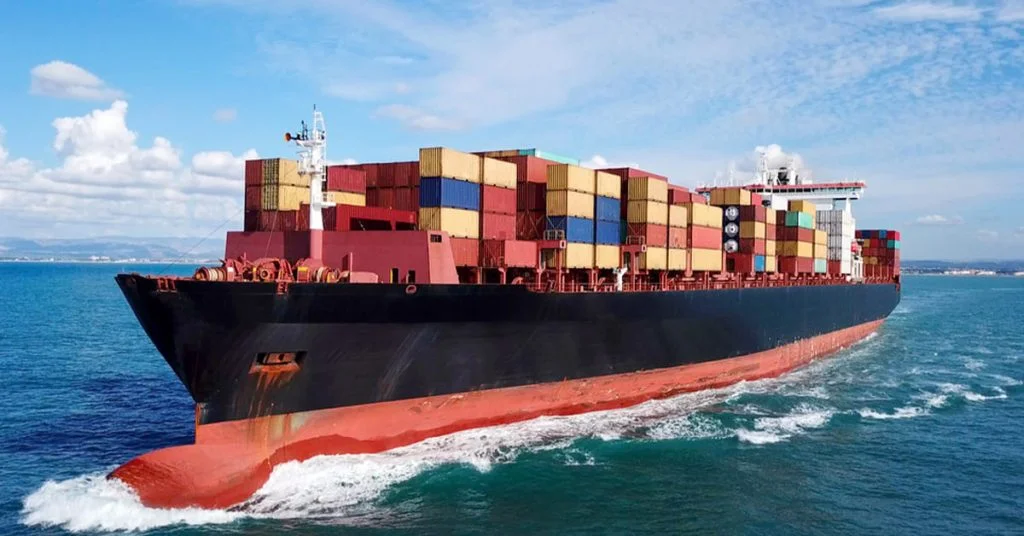
Outright Export refers to an operation in which goods leave the borders of the country of origin for the purpose of sale and consumption in other countries. In Outright Export, the importer no longer needs to provide an obligation to return the goods to the country, and in fact, this export method is the opposite of temporary export.
In this export method, which is divided into two types, commercial and non-commercial, the owner of the goods must submit documents to the customs to clear his export goods.
In order to succeed in international trade, a skilled exporter consults with experts in this field in order to set foot on this path with knowledge of target market conditions and customs laws. If you intend to export goods to other countries, you can get help from our consultants at Meran Group Company to guide you in this direction.
What is Outright Export?
Outright Export means sending goods outside the country’s customs borders for sale, use or consumption in foreign countries. In this type of export, the goods are exempted from customs duties, commercial interest and duties and taxes, but they are still subject to customs fees.
This action can be done through border bazaars, cooperative companies of border dwellers and traders, mutual purchase (Buy Back) or temporary entry of raw materials to prepare goods and export them to foreign countries. The types of Outright Export of goods are:
- Commercial Outright Export: When the businessman has sent a commercial cargo in a large volume and number to the destination country with the aim of earning foreign exchange income and international trade according to the customs, this is called Commercial Outright Export. In fact, in this type of export, which is considered to be the dominant method of Outright Export, merchants with a commercial card export their goods for widespread sale abroad by going through the Outright Export customs formalities, completing special forms and obtaining permits.
- Outright non-commercial export: In the Outright non-commercial export, which is mostly done for the purpose of marketing, gifts, and sending product samples, the goods are exported in small quantities and in low volume, often by mail, as freight or with the passenger himself. This type of export does not have any resemblance to the commercial type. because goods may be exported by passengers traveling abroad in accordance with the executive regulations of the Import and Export Law. For example, a traveler transports a quantity of an edible product such as saffron for limited sale abroad.
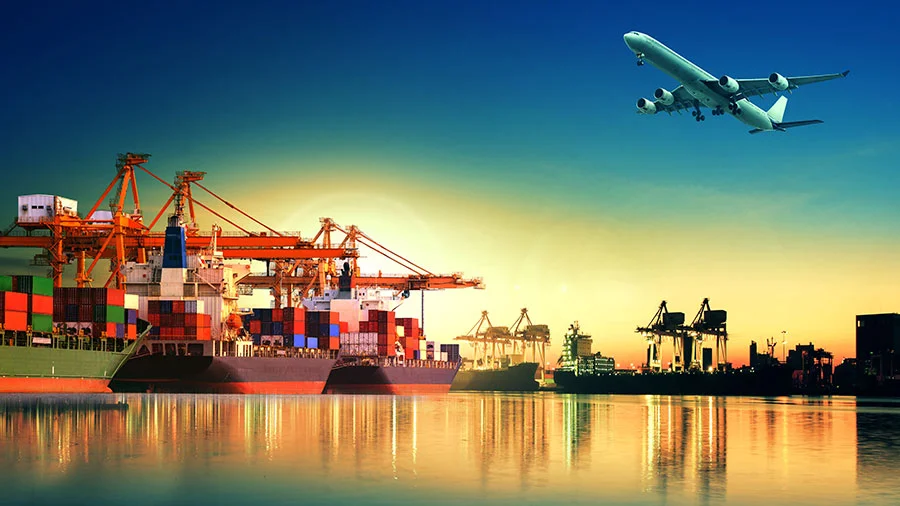
Steps to Outright export of goods
Exporting goods to other countries is a very suitable goal for many merchants and manufacturers, and it can be the best way to increase income and strengthen international trade. The export process includes various steps, each of which requires compliance with regulations and the preparation of specific documents, which are listed briefly here.
Receive a business card:
The first step is to obtain a business card so that the goods can be exported legally.
The first step in exporting goods is to get a commercial card. This is a license card that allows natural or legal persons to operate legally in the field of export and import.
Choosing and determining the tariff code (HS Code):
Tariff Code or HS Code is an international classification system for goods that is determined by the World Customs Organization (WCO). These codes are used to accurately identify goods and determine customs tariffs.
The importance of getting the customs tariff code is that the business owners are informed before any action that the goods in question need permits for import and clearance and how much their import duty is. They are also informed about the authorized or unauthorized goods. Due to the fact that this coding system was created internationally, commercial organizations and customs pay a lot of attention and focus on receiving the customs tariff code for the import of goods.
Because this coding system is essential for carrying out matters related to customs formalities, controlling international trade and monitoring the import and export of goods.
How to choose the tariff code: It is very important to choose the correct tariff code for export goods because this code has a direct effect on the amount of customs tariff and export laws. To determine the tariff code, you can get help from Meran Blue Gulf. A mistake in choosing the tariff code may lead to legal problems and additional costs in customs procedures.
Obtaining the necessary permits for Outright export:
Based on the type of goods, it is necessary to obtain a license from the related government institutions. These licenses guarantee that your export goods are in accordance with international standards and the laws of the destination country, including:
Health and standard permits: for the export of food, pharmaceutical, and agricultural products, related organizations such as the Food and Drug Organization and…
Permits related to specific commodities: Some commodities such as chemicals, petroleum products, and high-tech products require specific permits from relevant ministries or agencies.
Preparation and arrangement of customs documents:
Customs documents are essential documents in the Outright export process that must be carefully prepared and regulated. These documents contain information about the goods, the terms of shipment, and the parties to the transaction.
- Commercial Invoice: This document contains detailed information about the goods, price, terms of payment, and seller and buyer information. The commercial invoice must be prepared with complete accuracy and accuracy to avoid possible problems in the next steps.
- Packing List: This document contains information about the type and number of packages, net weight and gross weight, and package dimensions. The packing list helps the customs to identify and check the goods.
- Certificate of Origin: The certificate of origin indicates the country of origin and is usually issued by the Chamber of Commerce. This document is necessary for determining customs tariffs and using free trade agreements between countries.
- Bill of Lading: The bill of lading is a document issued by the shipping company and indicates the delivery of the goods to the carrier and the agreement to send it to the destination.
Customs declaration for Outright export:
A customs declaration is a document that contains detailed information about the exported goods and the destination. This information must be recorded accurately and completely in the declaration systems of each country
- Registering the declaration: The customs declaration must be registered and submitted to the customs by the exporter or the legal representative of the exporter. This declaration includes information such as the tariff code, the value of the goods, the number and weight of the goods, and information about the parties to the transaction.
- Customs inspection: After filing the declaration, the customs may conduct a physical inspection of the goods to ensure their compliance with the documents provided.
Payment of customs duties and related costs in Outright export:
After the customs declaration is approved, the fees related to the duties and taxes related to the exported goods should be paid. These costs are different depending on the type of goods and export destination.
- Outright Export duties: Some goods are subject to export duties that must be paid to customs. The amount of these duties varies depending on the type of goods and the commercial policies of the country.
- Ancillary charges: There may be other charges such as customs service charges, inland shipping charges, and insurance charges to be paid by the exporter.
more: What is customs duties?
Clearance and shipping to destination:
After paying the duties and fees, the goods are ready to be cleared from customs and sent to the final destination. At this stage, choosing the appropriate method of transportation and cargo insurance is particularly important.
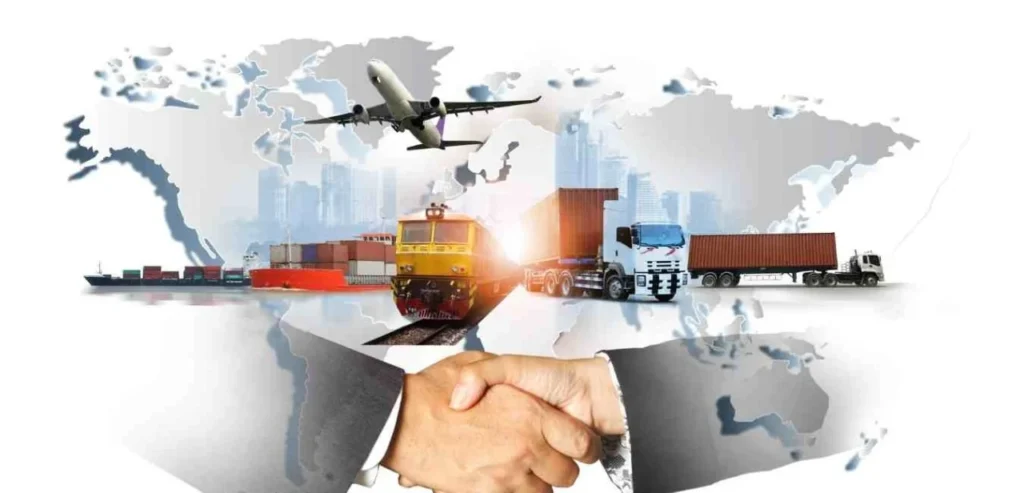
Choosing the shipping method: depending on the type of goods and the destination, you can use sea, air, land, or a combination of them. Each method has its own advantages and disadvantages and should be chosen according to the conditions of the goods and the destination.
NOTE: Cargo insurance plays an important role in protecting goods against possible risks along the way. Choosing the right insurance coverage can prevent heavy damages.
Follow up after Outright export:
After sending the goods, the exporter must ensure the status of the delivery of the goods to the final recipient and also make financial settlements. Following these steps can help reduce possible problems and increase customer satisfaction.
Necessary documents for Outright export
In order to export the goods by the Outright export method, it is necessary for the owner of the goods to go to the customs with the relevant documents and prepare some forms and permits. These documents are checked in the customs office and a final export license is issued. The completion of these documents and the conformity of the exported goods with the items declared in the declaration can have a great impact on the export licensing process. The following documents are required to issue a Outright export license:
- statement
- Warehouse bill
- export license
- Business card
- Customs duty payment certificate
- Invoice
- Proforma or pre-invoice document
- Mandatory standard certificate for some goods covered by this law
- Health certificate and other necessary certificates for different types of goods such as carpet ID for the export of carpets
- Preparation of packing list (packing list) or baling form (required in case of diversity in export goods)
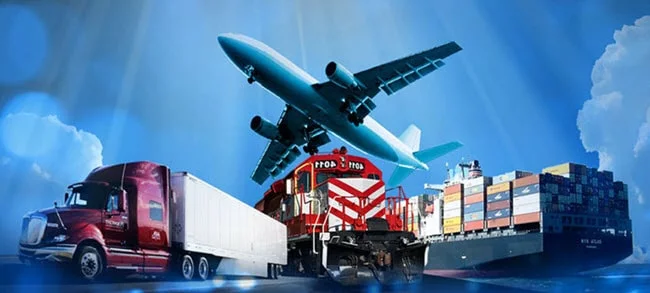
Various export goods
Different types of export goods will be divided into the following categories:
- Permitted: Permitted goods will be included in the goods whose import and export do not require a license in compliance with the rules.
- Conditionally permitted: This category of goods is actually called goods that can be imported and exported by obtaining a license.
- forbidden: Prohibited goods also include goods whose import and export have been declared prohibited according to the holy law of Islam or national interests by the constitution.
What goods are prohibited for export?
According to the international customs laws, the export of some goods is prohibited for various reasons, and no person or institution has the right to export these goods internationally, and in the term, the export of these goods is subject to the law of goods smuggling. The types of prohibitions in Outright export are as follows:
- Prohibited export goods based on the religious and ideological laws of each country
- Antique objects related to the cultural heritage and soil of that country
- Animal and vegetable items and animal species to preserve genetic resources and protect the environment
Outright export tariff of goods:
Outright export tariff refers to a set of financial and customs rules and regulations that determine how goods and services are exported from one country to another and specify how much tax and customs duties must be paid for this purchase and sale of goods. . Customs tariffs are determined every year by the Ministry of Security and based on economic conditions and the state of world markets.
In fact, the Outright export tariff is not the same for all goods, and the owner of the goods must pay the customs tariff and additional costs for exporting the goods based on the type of export goods.
Comparison of Outright export and temporary export
In general, the export of goods abroad will be divided into two categories: Outright export and temporary export. In Outright export, goods and services are sold to other countries and this will lead to an increase in foreign exchange income. However, in temporary export, goods are sent for processing and temporary use in another country, which improves international relations and increases trade. In the following, we will compare and compare these two export methods:
Time of arrival of goods abroad:
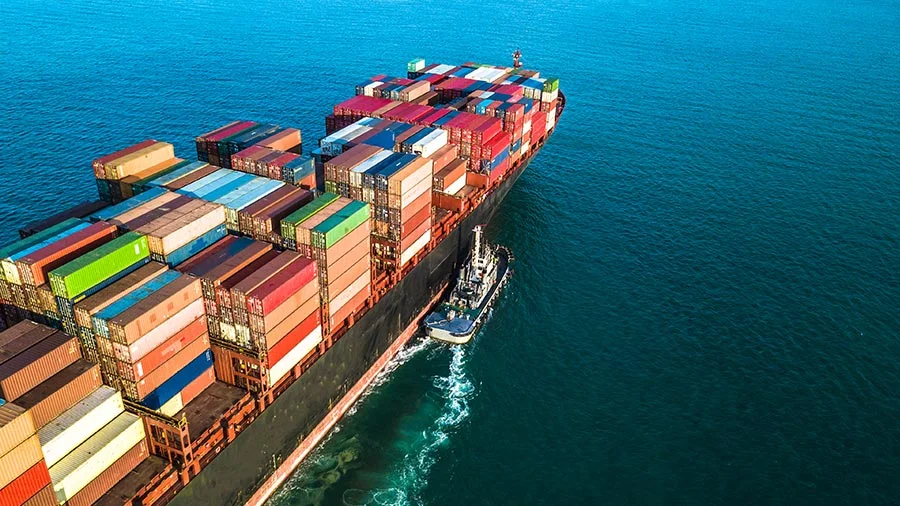
In Outright export, goods are sent to other countries through sea, land or air transportation and are permanently exported from the country for sale. These goods are sold in the market of the destination country and reach the final customers.
In temporary export, goods are sent to another country for repair or temporary use; Therefore, the goods are present abroad for a limited period of time and return to the country after completing the necessary processes.
Differences in export targets:
Since in Outright export, the goods are permanently taken out of the country, its ownership will also be transferred to the buyer. The purpose of this type of export is to develop foreign markets, increase the country’s income and added value.
In temporary export, due to the non-permanence of the goods leaving the country, its ownership will remain in the hands of the seller. The purposes of this type of export will usually be demonstration, testing and repair. Temporary export can also be useful to increase added value, improve quality and advertise goods.
Difference in tax and customs tariff:
According to the purpose as well as the duration of goods leaving the country in Outright export and temporary export, their taxes and customs tariffs will be different. Outright export is exempt from commercial profit, taxes, duties and customs duties and is only subject to customs fees.
In temporary export, some goods such as carpets, saffron, and handicrafts will be exempted from tax. In fact, the main difference between the two methods of permanent and temporary export in terms of taxes and other applied tariffs is that the goods in Outright export are exempt from any type of taxes and duties, but in temporary export, the goods may be taxed based on its type. or pay an obligation.
Documents, documents and customs process:
Among the necessary documents and documents that must be submitted for Outright export, we can refer to relevant legal permits, export declaration, commercial invoice, commercial card, bill of lading, goods ownership documents and other necessary documents.
Temporary export also requires the submission of documents such as declaration of temporary export, relevant legal permits, guarantee or commitment to the amount determined by customs, documents of ownership of goods, issued identification license and other documents.
Conditions for returning goods to the exporting country:
In temporary export, it is necessary to return the goods to the country within the deadline set in the executive regulations of the law. If the goods are not returned within the stipulated time and its process becomes Outright export, it will not be subject to any type of temporary export facility. If the goods are delivered to the customs office within 10 days after the deadline, the customs office will take the necessary measures to collect the fine.
In Outright export, if the goods are returned to the country for any reason, it is necessary to apply the provisions of imported goods and pay the import duties and other customs fees.
conclusion:
Outright export is a process in which goods are permanently removed from the country of origin. This export method is divided into two commercial and non-commercial types. In the commercial type, the goods are exported for sale in other countries and in the non-commercial type, the goods are exported for cultural, educational, therapeutic purposes, etc.
In order to know the rules and methods of Outright export of goods to the country and the conditions of Outright export legally, you can consult with our experienced and professional experts to guide you in obtaining an export license. You can contact us to get a consultation appointment so that the professional experts of Meran group will guide you as soon as possible.