A special economic zone is a special geographical area within the borders of the country where business and trade rules are different from other parts of the country. These regions are the driver of stable and economic growth in countries.
What is Special Economic Zones?
Special economic zones are located within the borders of the country and their purpose includes increasing trade balance, employment, increasing investment, job creation and effective management. To encourage the establishment of businesses in the economic zone, financial policies are defined. These policies usually include investment, taxation, trade, quotas, labor regulations, and customs. In addition, companies may offer tax holidays, which give them a period of low taxation if they are established in a region.
The establishment of special economic zones by the host country may be motivated to attract foreign direct investment (FDI). The advantages that a company obtains by being located in a special economic zone means that it can produce and trade goods at a lower price in order to compete globally. In some countries, these areas have been criticized for having conditions not much better than labor camps with workers denied basic labor rights.
▎Definition of Special Economic Zones (SEZs)

Special Economic Zones (SEZs) are specific areas within a country where business and trade laws differ from the rest of the country. These zones are designed to attract foreign and domestic investments by offering favorable conditions such as:
- Tax Incentives: Businesses operating within SEZs often benefit from reduced tax rates, exemptions from certain taxes, or tax holidays for a specified period. This can significantly lower operational costs and enhance profitability.
- Regulatory Flexibility: SEZs may have streamlined regulations, allowing businesses to operate with fewer bureaucratic hurdles. This can include simplified licensing processes, faster approvals for permits, and less stringent labor laws.
- Infrastructure Development: Many SEZs are equipped with state-of-the-art infrastructure, including transportation networks, utilities, and communication systems. This infrastructure is critical for facilitating efficient operations and logistics.
- Customs Advantages: SEZs often provide expedited customs procedures, making it easier for companies to import raw materials and export finished goods. This can reduce lead times and costs associated with international trade.
Overall, SEZs create a conducive environment for businesses to thrive by minimizing operational challenges and maximizing potential returns on investment.
Historical Context and Evolution of SEZs
The idea of creating zones with distinct economic regulations dates back several decades. However, the modern concept of SEZs emerged in the late 20th century:
- China’s Shenzhen SEZ (1980): The establishment of Shenzhen as a Special Economic Zone marked a turning point in global economic policy. This initiative was part of China’s shift towards a market-oriented economy, aiming to attract foreign investment and technology. The rapid economic growth experienced by Shenzhen demonstrated the potential benefits of SEZs.
- Global Adoption: Following China’s success, many countries began to adopt the SEZ model. Countries like India, Vietnam, and the Philippines established their own SEZs to stimulate economic growth and attract foreign investment. Each country tailored its approach based on local needs and conditions.
- Diverse Models: Over time, various types of SEZs emerged, including Free Trade Zones (FTZs), Export Processing Zones (EPZs), and Technology Parks. Each type serves different purposes, such as focusing on manufacturing, trade facilitation, or technological innovation.
- Current Trends: In recent years, there has been a resurgence in the establishment of SEZs across the globe. Countries are increasingly recognizing their potential to drive economic development, create jobs, and enhance competitiveness in the global market.
NOTE: The evolution of SEZs reflects changing economic paradigms and the need for countries to adapt to global economic dynamics.
Importance of SEZs in Global Trade and Economics
SEZs play a pivotal role in shaping global trade patterns and influencing national economies:
- Attracting Foreign Direct Investment (FDI): By offering attractive incentives, SEZs draw foreign investors who may otherwise be hesitant to enter a new market. This influx of FDI can lead to capital inflow, technology transfer, and skills development.
- Enhancing Export Performance: SEZs are often focused on export-oriented industries. By facilitating easier access to international markets, they can significantly boost a country’s export capabilities, contributing to a favorable balance of trade.
- Job Creation: The establishment of businesses within SEZs leads to job creation in various sectors. This not only helps reduce unemployment rates but also contributes to skill development among the local workforce.
- Economic Diversification: Countries heavily reliant on specific industries can use SEZs to diversify their economies. By promoting various sectors such as manufacturing, services, and technology, nations can build resilience against economic shocks.
- Innovation and Competitiveness: SEZs often foster an environment conducive to innovation by encouraging research and development activities. This can lead to increased competitiveness on both national and global scales.
In summary, SEZs are instrumental in driving economic growth, enhancing trade relations, and fostering innovation in an increasingly interconnected world.
Meran group
▎Chapter 1: The Concept and Framework of SEZs
Definition and Characteristics of SEZs
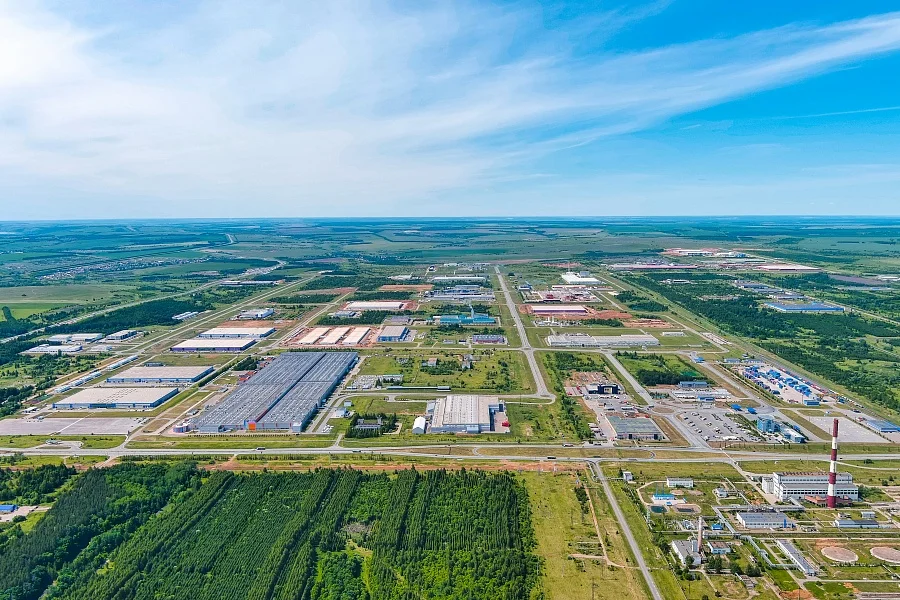
Definition: Special Economic Zones (SEZs) are designated areas within a country that have different economic regulations from the rest of the country, aimed at attracting foreign investment and boosting economic activity.
Key Characteristics: Geographic Designation: SEZs are typically established in strategic locations to facilitate trade and investment. They offer a more business-friendly regulatory environment, including streamlined procedures and reduced bureaucratic hurdles. and Tax breaks, customs advantages, and other financial incentives are common features designed to attract businesses.
Types of SEZs
- Free Trade Zones (FTZs): Focus on promoting international trade by reducing tariffs and customs barriers.
- Export Processing Zones (EPZs): Tailored for manufacturing goods primarily for export.
- Industrial Parks: Concentrated areas for manufacturing industries, often with shared facilities and services.
- Technology Parks: Designed to foster innovation and technology-driven businesses.
Legal and Institutional Framework
SEZs require supportive government policies and legal frameworks to function effectively, including laws governing investment, trade, labor, and environmental standards. Special Economic Zones often have specialized authorities or agencies responsible for their administration, ensuring efficient operation and compliance with regulations.
▎Chapter 2: Historical Development of SEZs

Origins of SEZs
- Historical Precedents: The concept of designated economic zones has historical roots in various forms of trade enclaves and colonial practices.
- Modern Era: The establishment of China’s Shenzhen SEZ in 1980 marked a significant turning point in the adoption of the Special Economic Zone model globally.
Global Expansion of SEZs
- China’s Model: The success of Shenzhen served as a model for other countries seeking to stimulate economic growth through similar initiatives.
- Adoption in Other Countries: Nations like India, Vietnam, and Brazil followed suit, creating their own SEZ frameworks tailored to local contexts.
Evolution Over Time
- Diversification of Models: As the global economy evolved, so did the types of SEZs, with an increasing focus on technology parks and innovation hubs.
- Sustainability Considerations: Recent trends emphasize the importance of sustainable development within SEZ frameworks.
▎Chapter 3: Economic Impact of SEZs
Attracting Foreign Direct Investment (FDI)
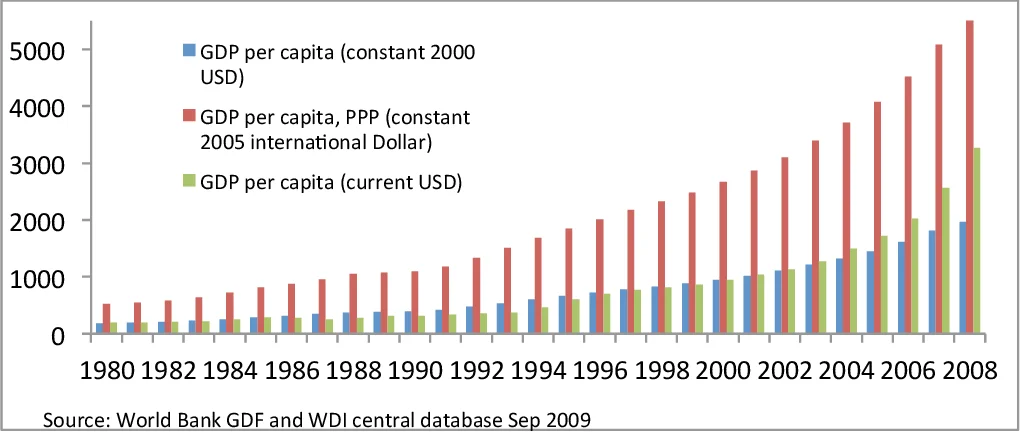
SEZs create a favorable environment for FDI through incentives and reduced barriers to entry. Increased FDI can lead to significant capital inflows, stimulating economic growth.
Export Growth
Boosting Exports: SEZs are often designed to promote export-oriented industries, contributing to national trade balances. Businesses in Special Economic Zones can more easily integrate into international supply chains, enhancing competitiveness.
Job Creation and Economic Diversification
Employment Opportunities: The establishment of businesses in Special Economic Zones generates jobs across various sectors, contributing to local economies. and SEZs encourage diversification beyond traditional industries, fostering resilience against economic shocks.
▎Chapter 4: Social and Environmental Considerations

Social Impact of SEZs
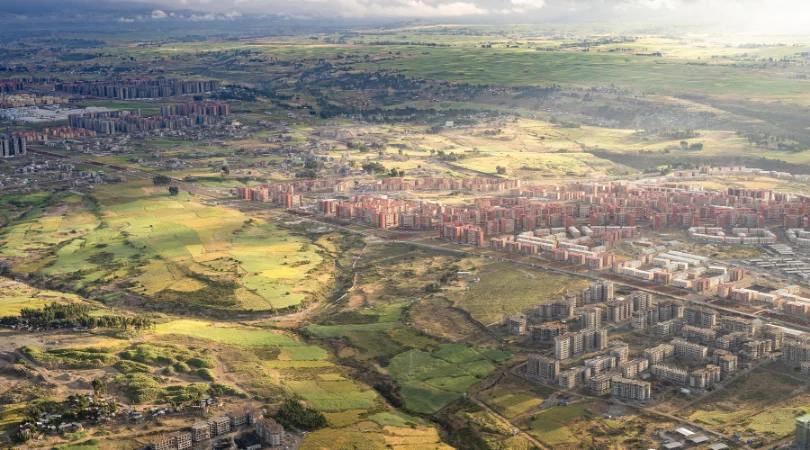
- Community Development: SEZs can lead to improvements in local infrastructure and services, benefiting surrounding communities.
- Skill Development: Many SEZs offer training programs that enhance workforce skills, contributing to human capital development.
Environmental Concerns
Sustainability Challenges: Rapid industrialization in Special Economic Zones can lead to environmental degradation if not managed responsibly. and Effective environmental regulations are essential to mitigate negative impacts and promote sustainable practices within SEZs.
Balancing Economic Growth with Social Equity
Policymakers must ensure that the benefits of Special Economic Zones extend beyond businesses to local communities, addressing potential inequalities.
Meran Trading Company with years of brilliant history in the field of import, export, clearance of goods as well as domestic and foreign trade services.
Meran Blue Gulf
▎Chapter 5: Case Studies of Successful SEZs
Shenzhen, China
Analyzing the key elements that contributed to Shenzhen’s transformation from a fishing village to a major global city through its SEZ. even Insights into governance, infrastructure investment, and adaptability that can inform future Special Economic Zones developments.
India’s Special Economic Zones Policy
Examining the successes and challenges faced by India in establishing its SEZ framework since 2005. Evaluating the economic impact of Indian Special Economic Zones on local economies and employment.
Other Global Examples
Vietnam’s Industrial Parks: Exploring how Vietnam has leveraged industrial parks to boost its manufacturing sector. Brazil’s Free Trade Zones: Analyzing the effectiveness of Brazil’s free trade zones in promoting regional development.
▎Conclusion
In conclusion, Special Economic Zones (SEZs) represent a dynamic approach to fostering economic growth and development in an increasingly globalized world. By providing unique incentives and regulatory frameworks, they have proven effective in attracting foreign investment, boosting exports, and creating jobs. However, the challenges associated with social equity and environmental sustainability must be addressed to ensure that the benefits of Special Economic Zones are widely shared.
As countries continue to navigate the complexities of global trade and economic development, the future of Special Economic Zones will depend on their ability to adapt to changing circumstances while prioritizing inclusive growth. Policymakers should draw lessons from successful case studies and best practices worldwide to design effective SEZ frameworks that promote long-term economic resilience and sustainability.
NOTE: Feel free to reach out to us with any inquiries about our services, pricing, tracking shipments, or any other logistic-related questions.