In today’s fast-evolving global trade ecosystem, micro exporting has emerged as one of the most promising trends for small and medium-sized enterprises (SMEs). Once limited to large corporations with established supply chains, international trade is now more accessible than ever thanks to digital platforms and borderless e-commerce tools.
In order to succeed in international trade, a skilled exporter consults with experts in this field in order to set foot on this path with knowledge of target market conditions and customs laws. If you intend to export goods to other countries, you can get help from our consultants at Meran Group Company to guide you in this direction.
What Is Micro Exporting?
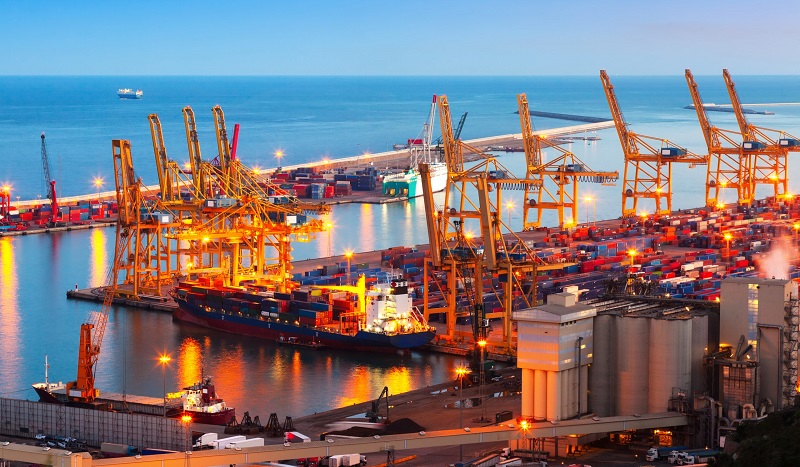
Micro exporting refers to the practice of small businesses or even individual entrepreneurs selling goods or services to customers in foreign markets — often through digital platforms such as Amazon Global, Etsy, Alibaba, eBay, or Shopify.
Unlike traditional exporting, which often requires significant capital, logistics infrastructure, and international partnerships, micro exporting thrives on accessibility and agility.
“Micro exporting is democratizing global trade — it’s no longer about size, but about smart digital presence.”
Why Micro Exporting Is Growing So Fast
Several key factors are driving the rapid growth of micro exporting in 2025:
- Digital Marketplaces: Global online platforms have lowered the barrier to entry for small sellers.
- Improved Payment Systems: Fintech tools like Payoneer, Wise, and Stripe make cross-border payments easy and transparent.
- Efficient Logistics Solutions: Courier services like DHL eCommerce and FedEx Cross Border offer affordable international delivery.
- AI-Powered Marketing: Targeting niche audiences worldwide through data-driven ads is now cheaper and more effective.
Examples of Successful Micro Exporters
- Artisans in Vietnam using Etsy to sell handmade ceramics to customers in the U.S. and Europe.
- Organic tea startups in India exporting small batches directly to wellness stores in Japan.
- Custom T-shirt designers in Turkey selling globally through Shopify without owning a physical store.
- These examples show how micro exporting allows businesses to scale internationally while keeping operational costs low.
MORE: Smart Customs Regulations: How Technology is Transforming Global Trade
Challenges in Micro Exporting

While the potential is high, there are challenges that exporters must address:
- Customs and Tariff Complexities – Each country has unique import regulations.
- Currency Fluctuations – Small businesses are more sensitive to exchange rate shifts.
- Cultural Differences – Product presentation and marketing must adapt to each region.
- Returns and After-Sales Support – Managing international returns can be costly.
“Understanding the rules of each target market is key — a lack of compliance can break even the most promising export venture.”
How to Start Micro Exporting
Here’s a quick roadmap for small businesses ready to enter the global market:
- Research your niche market. Identify where your product fills a specific gap.
- Choose the right digital export platform. Match your product type and audience.
- Set up international-friendly payments. Use trusted platforms for secure transactions.
- Optimize your logistics. Partner with shipping services offering cross-border solutions.
- Market strategically. Use social media ads and localized content to build trust abroad.
The Future of Micro Exporting
With AI-driven logistics, blockchain-based trade transparency, and eco-conscious buyers influencing global demand, micro exporting is expected to grow exponentially over the next decade.
Small businesses that act now can establish themselves as global niche leaders long before the competition catches up.
Conclusion
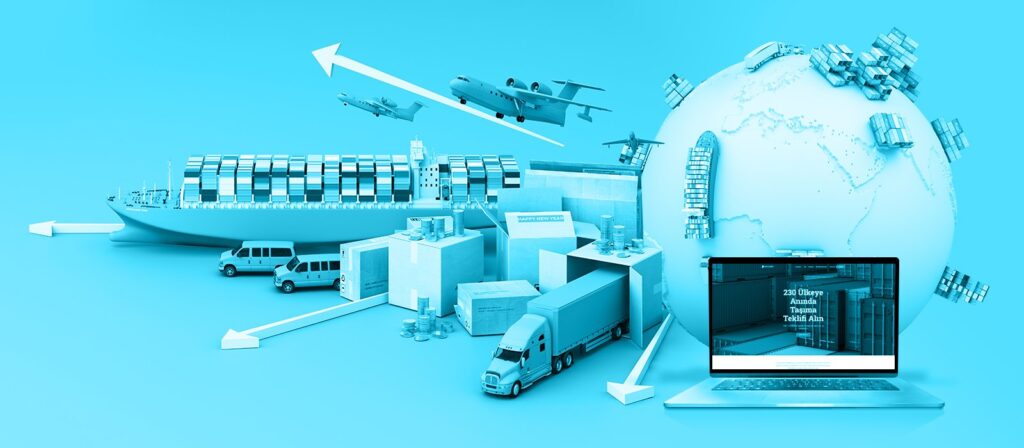
In conclusion, micro exporting is not just a trend — it’s the new face of international trade.
By leveraging digital platforms, even the smallest businesses can now compete on a global scale.
Those who embrace this shift today will shape the trade landscape of tomorrow.
Ready to Start Micro Exporting?
If you’re a small business owner looking to expand your reach beyond local borders, now is the perfect time to explore micro exporting.
Contact Meran Blue Gulf to get a personalized consultation and learn how to take your business global!
FAQs
Is micro exporting profitable for small businesses?
Yes. With minimal overhead and digital tools, micro exporting can be highly profitable when targeting specific niches.
What are the best platforms for micro exporters?
Etsy, Amazon Global, Alibaba, and Shopify are among the most popular and accessible options.
How can I handle taxes and regulations for international trade?
It’s best to work with a licensed customs broker or use digital compliance services that simplify documentation and tax management.