Iran’s strategic geographic position has always made it a natural hub for international transit and trade routes. Located at the crossroads of Asia, Europe, and the Middle East, the country offers a direct and cost-effective pathway for global cargo movement. As international trade continues to grow, transit through Iran is becoming increasingly important for businesses seeking efficient logistics solutions.
In this article, we’ll explore the benefits of international transit through Iran, the key corridors and infrastructure, the challenges businesses face, and what the future holds for Iran’s transit role in the global supply chain.
Meran Trading Company with years of brilliant history in the field of import, export, clearance of goods as well as domestic and foreign trade services.
Why Iran is a Key International Transit Hub
- Geostrategic Location
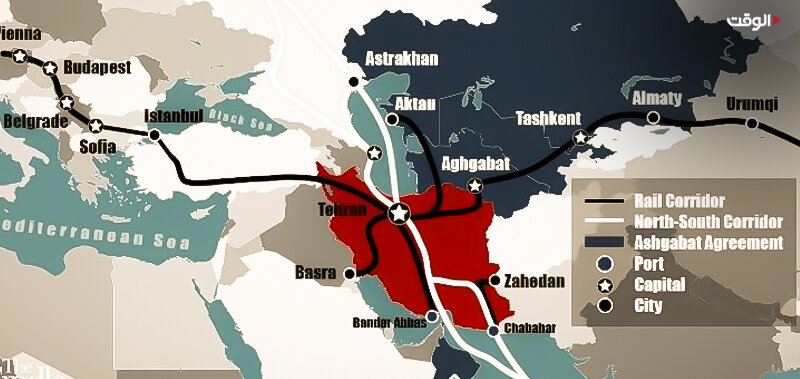
Iran connects Central Asia to the Persian Gulf and Europe, offering shorter routes compared to alternatives.
- Access to Major Trade Corridors
North–South Transport Corridor: Links India and the Persian Gulf to Russia and Northern Europe.
East–West Corridor: Connects China and Central Asia to Europe.
- Cost Efficiency
Transit routes through Iran often provide lower shipping costs compared to sea freight.
- Time Savings
Rail and road connections can reduce delivery times compared to traditional maritime routes.
Key Transit Routes Through Iran

- International North–South Transport Corridor (INSTC)
A multi-modal route (sea, rail, road) connecting India, Iran, Russia, and Europe.
Cuts transportation time by up to 40%.
Reduces costs by 30% compared to the Suez Canal route.
- East–West Corridor
Connecting China to Europe via Iran, this route provides a strategic alternative to the Silk Road Economic Belt.
- Persian Gulf to Central Asia
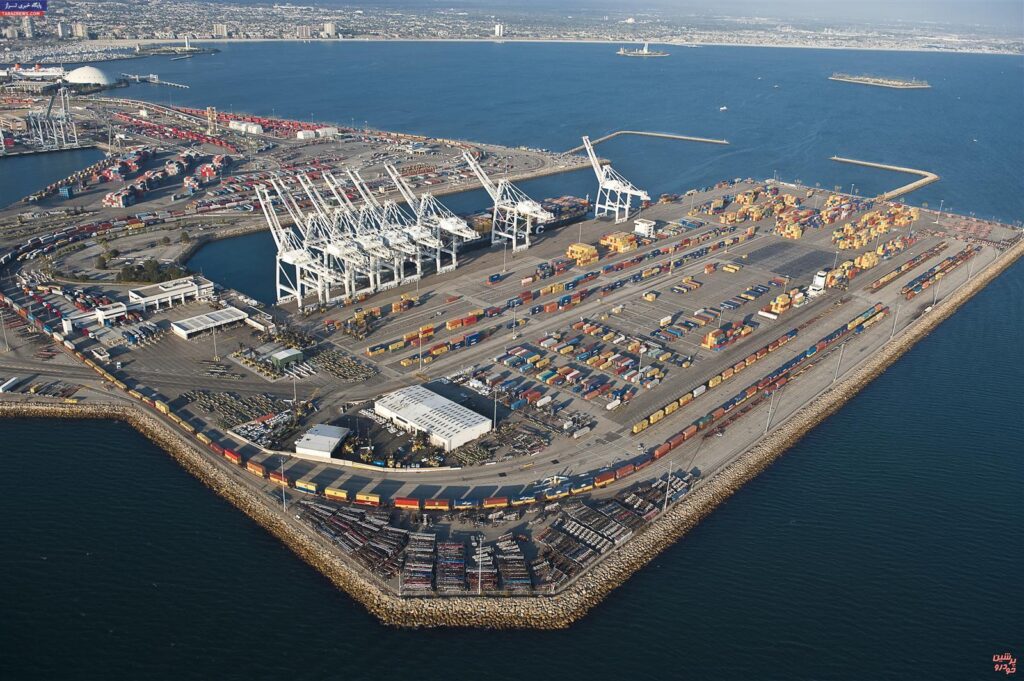
Iran’s southern ports (Bandar Abbas, Chabahar) offer gateways for Central Asian countries to access global markets.
MORE: What is a packing list and what is its use in transportation?
Challenges in International Transit Through Iran
- Sanctions and Political Pressures
Restrictions on banking, insurance, and international cooperation.
- Infrastructure Limitations
Some railway and road networks require modernization.
- Customs and Bureaucracy
Complicated clearance procedures may cause delays.
- Regional Competition
Neighboring countries like Turkey and Azerbaijan also compete to attract transit traffic.
The Future of Transit Through Iran
Despite challenges, Iran continues to invest in infrastructure and partnerships:
- Chabahar Port Development: Supported by international investment to boost Indian Ocean trade.
- Railway Expansion: Linking Iran to Azerbaijan, Turkmenistan, and Afghanistan.
- Digitalization of Customs: Improving clearance efficiency for international transit.
With growing global interest in alternative trade corridors, Iran’s role as a transit hub is expected to expand significantly.
Conclusion
International transit through Iran presents enormous opportunities for businesses seeking faster, more cost-efficient trade routes. While challenges such as sanctions and infrastructure gaps exist, Iran’s strategic location, ongoing development projects, and integration into global supply chains make it a valuable option for global logistics.
For companies exploring new trade routes and logistics solutions, leveraging Iran’s transit capabilities could provide a competitive advantage in today’s fast-moving global market.
(FAQ)
What is the International North–South Transport Corridor (INSTC)?
It is a multi-modal trade corridor linking India, Iran, Russia, and Europe, designed to cut transportation costs and time compared to the Suez Canal.
Why is Iran important for international transit?
Because of its strategic geographic position, connecting Asia, Europe, and the Middle East.
Are there risks in using Iran’s transit routes?
Yes, businesses face challenges due to sanctions, customs delays, and regional competition.
Which ports in Iran are key for transit?
Bandar Abbas and Chabahar are major international gateways.