
What is an invoice? As you know, in the transactions carried out at the customs, during the transaction, a document is presented to show the value of the export and import goods, which is considered one of the requirements. In addition, the certificate gives credibility to the product. Commercial invoice list and packing list are among the documents that are very necessary to have in today’s transactions. Packing and invoice are goods identification and are known as shipping documents.
It is good to know that according to the law, the preparation of the invoice and packing is the responsibility of the seller. The seller is obliged to provide information such as dimensions, total value of the shipment, customs tariff code, value of each item of goods, etc. in the form of commercial invoice list and packing list to the customs to issue export license.
Meran Blue Gulf
In the next step, the seller must enclose these documents and have them signed by an authorized person in the company to verify the accuracy of the information entered in these two lists. When clearing the goods, the buyer must present the packing and invoice to the customs of the importing company.
What is an invoice?
What is an invoice? In fact, it is an important commercial document, which the seller issues when selling his products and goods in return for providing and explaining the services to the buyer. In the more complete definition of what is an invoice, it should be said that it is a document that is signed between two parties of the transaction.
To explain more simply what the invoice is, it should be said that the invoice is an important business record in customs affairs, which is used in every commercial work and customs clearance, that is, it is an important document in the customs clearance process and If there is no invoice, the goods have no value.
In the world of trade and commerce, a commercial register is a document that is often used to complete the process of importing and exporting goods. The absence of a commercial register in transactions will result in the payment of fines and heavy damages.
The exporter must submit the commercial list to the customs for importing goods. In the commercial list, information such as: forwarders of transport, customs, bank and brokers are included. The points that you should pay attention to is that obtaining a commercial register is necessary and essential for sea and air transportation, and tax is not mentioned in the commercial register document, because international transfers are not subject to domestic taxes.
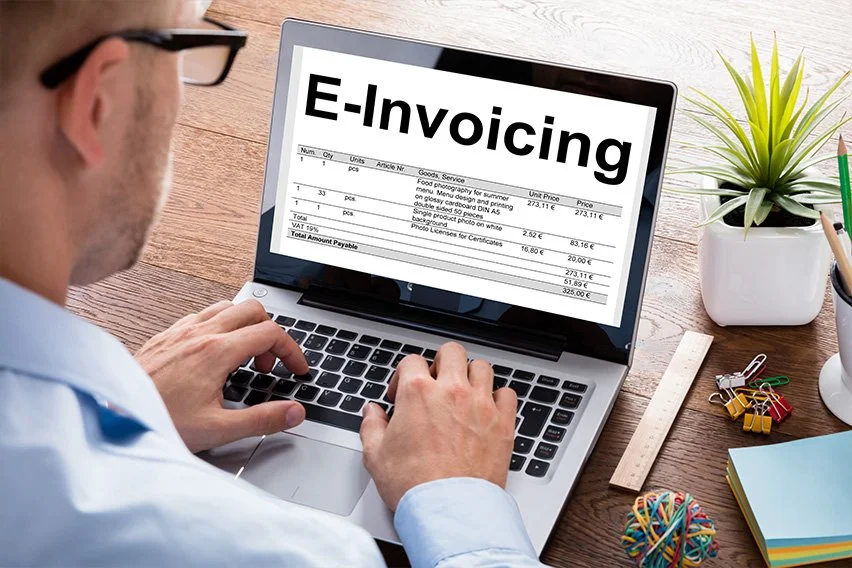
The structure of fixed invoices
Customs documents usually have a specific and fixed structure; But this does not apply to the invoice document or the commercial list. That is, the invoice does not have a predetermined structure; Therefore, merchants can prepare and complete this document with their desired structure. However, some items are the same between all documents. We will refer to these items in the following.
● Sender or seller information (refer to full name, postal address and company phone number)
● Recipient or buyer information (refer to the full name, postal address and phone number of the company)
● Enter the invoice date
● Specifying a specific number for the business list
● Determining the row of goods and services provided
● Accurate reference to services and types of goods
● Entering the customs tariff code for export goods
● Exact number of products
● The price of each product unit
● Total value of shipment
Be sure to specify the currency when completing the commodity value section of the commercial list for air, sea or combined shipments. Also, the business list must be prepared on the letterhead of the sending company and signed and stamped by an authorized person.
The purpose of preparing invoices in the field of international trade and transportation
As you know, the use of invoices is very important in legal international transactions. The use of a commercial list or invoice in customs has several purposes, which we will discuss below:
- Since complete information about the goods and products is recorded in the invoice, the seller and the buyer can draw complete information about the goods and services before the transaction by including the invoice.
- Another purpose of using invoices is related to insurance. If the purchased product is insured and the buyer has an insurance claim, the existence of an invoice supports this claim.
- The third use of the invoice is related to payment by the buyer. The buyer can make the payment to the seller using the invoice.
- The most important purpose of the invoice, which we have already mentioned, is related to customs clearance. By bringing the invoice, you can easily clear the purchased goods in the buyer’s country.As you know, in customs, governments charge an amount as product duties. The invoice is used to evaluate the goods and determine this amount.
The importance of receiving business registers and invoices for merchants
Preparing an invoice is mandatory for doing business transactions. If the businessmen have signed a contract with the international ground transportation company to send the export cargo but have not prepared a commercial list, they will be liable to pay damages and fines. The real value of the shipment and the validity of the transaction can only be proven through this commercial document.
Also, buyers will have access to the exact information of the shipment such as the weight, number and actual value of the goods only if there is an invoice. As a result, it is very important for buyers to prepare a business list before signing a contract.
Types of invoices
After the standard invoice sample information, now it’s time to introduce the invoice types. It is good to know that in all international transactions, the same type of invoice is prepared and signed by both the seller and the buyer. But sometimes some sellers and buyers want their purchase invoices to be issued according to the capabilities of their products. In general, there are 3 types of invoices that are used in the fields of transactions and transportation:
- Certified list: Certified invoice is the first type of standard invoice that we discuss in the standard invoice article. The seller must confirm in the certified list such things as the readiness of the goods sold according to the contract and the non-prohibition of the purchased goods in the country of origin before the transaction. At the end, the certified list must be signed by the Chamber of Commerce of the institute.
- Legalized invoice: Legalized invoice is the second type of invoice. Sometimes, at the request of the buyer’s country, the seller must take the certified list signed by the Chamber of Commerce to the embassy of the buyer’s country in order to be signed by them. The verified list is done in Middle East countries. Middle Eastern countries usually apply for a certified invoice for the import of various goods such as textile raw materials, machine parts and food.
- Consular invoice: Consular invoice is the third and last type of invoice that we discuss in the standard invoice article. This form must be completed and sealed by the seller company. All costs related to consular list are borne by the seller. It is interesting to know that the consular list is signed in South American countries.
NOTE: Be careful that The consular invoice must be translated into the language of the destination country. the consular invoice must be signed by the embassy or consulate officials. in some cases, special certificates such as health certificate or standard certificate for customs clearance may be required to be attached to the consular invoice.

What is proforma invoice?
Proforma invoice or pre-invoice is one of the first and most important documents in international trade and is issued by the seller in international transactions. After communicating and starting the negotiations and correspondence, in the sound of the success of the initial negotiations, the buyer generally requests the issuance of a proforma invoice or proforma invoice. The exporter shares information such as quantity, value, tariff code or HS CODE of the goods and more general details related to the description of the goods in the proforma invoice.
A pre-invoice or proforma invoice is issued when the seller has discussed the preparations for the sale with the buyer but is unable to send an official invoice because the buyer has not yet confirmed the final details of the transaction. In this situation, a pre-invoice is issued so that the buyer knows exactly what to expect from the seller.
The great importance of proforma invoice in international business is not hidden from any business. This document allows the buyer to review the price and terms and consider the financial plan for the purchase of the product or service before making the transaction. On the other hand, this document allows the seller to predict the financial efficiency, inventory of goods or limitations in providing their services and make the necessary plans.
During the proforma preparation process, many important factors and assumptions are considered. These factors include changes in the market, competition, price changes, interest rates, and other financial and economic factors. By considering these factors, the buyer can have a more accurate and realistic estimate of his future performance in the market. This document is usually issued before issuing the final invoice or invoice and serves as a financial and contractual obligation between the buyer and the seller.
The difference between proforma invoice and invoice
Proforma is a type of initial invoice that is presented in the form of an announcement and shows the customer how much and in what price range the requested goods or services are to be provided by the seller. This preliminary announcement is generally made before the final invoice is issued and the transaction is completed. In fact, the proforma provides information about the product specifications, price and payment terms to the customer and establishes preliminary agreements between the seller and the buyer.
On the other hand, the final invoice is issued during the work and delivery of goods or services. The sample invoice includes detailed details of the goods or services, final price, total amount, payment terms and other information related to the transaction. In fact, the invoice is an official document that specifies the rights and obligations of both parties.
According to the above explanations, it can be said that the main difference between these two documents is when they are issued. The proforma is issued before the transaction and has the authority of the initial contract, while the invoice is issued after the proforma is issued and at the time of the transaction and delivery of goods or services.
In general, proforma and invoice are both very important to facilitate the international trade process. Proforma gives the buyer the necessary information for the goods or services he needs, and the final invoice also assures the seller that all the details of the transaction have been entered correctly and without any doubts.
Finally, to facilitate and succeed in international trade, companies and organizations should take care to issue both these documents correctly and with accurate details. this detailed information and complete details of the transaction can help gain the trust of buyers and sellers and guarantee a successful business. Using proforma and invoices, Sorin Sanat Group helps its customers to achieve more success in their business and manage their buying and selling process more effectively.
conclusion
In this article, we answered the question of what is an invoice and why it is important for merchants. Importers and exporters need this shipping document for all their business transactions. In fact, the purchase invoice or commercial list is an important commercial document for performing customs formalities. Clearance will not be done without an invoice. Note that the preparation of this document is the responsibility of the seller. Also, the buyer can determine the items mentioned in the invoice according to his considerations.
We also tried to provide you with comprehensive information. In the topics of comprehensive preliminary and basic business education, a businessman should be familiar with all types of invoices and commercial and non-commercial invoices. Therefore, you should not neglect to recognize the new transactions for customs and other departments. We hope that this article from Maran Group was useful for you.
Resources: investopedia | invoice home | wikipedia | ITA.gov