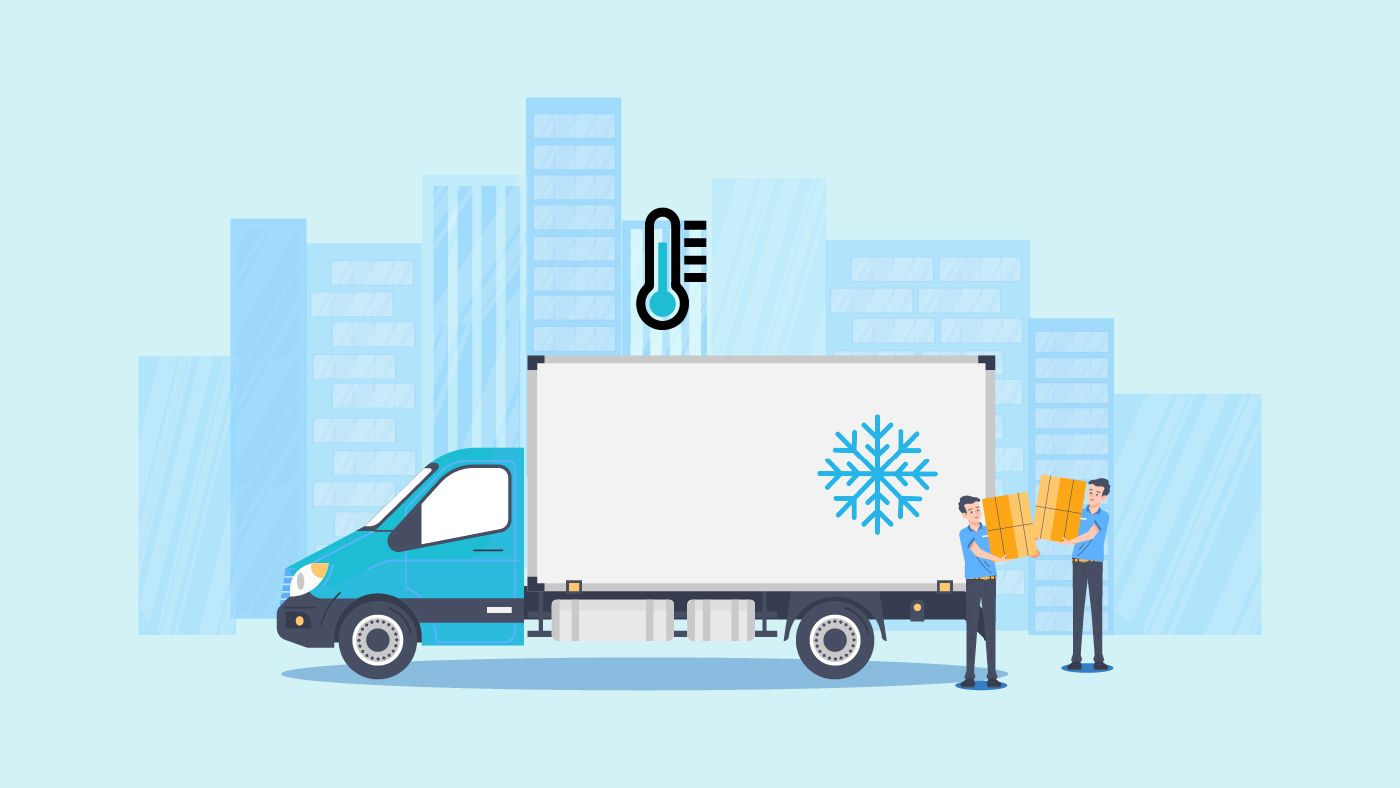
In global trade, the demand for safe and reliable transport of temperature-sensitive goods is rapidly growing. From pharmaceuticals and vaccines to fresh food, seafood, and dairy products, these commodities require strict temperature-controlled logistics. This is where cold chain logistics plays a vital role.
Meran Trading Company with years of brilliant history in the field of import, export, clearance of goods as well as domestic and foreign trade services.
Cold chain logistics refers to the specialized storage, handling, and transportation system that maintains a product’s required temperature from the point of origin to the final consumer. Without an efficient cold chain, businesses risk product spoilage, financial losses, and reputational damage.
What is Cold Chain Logistics?
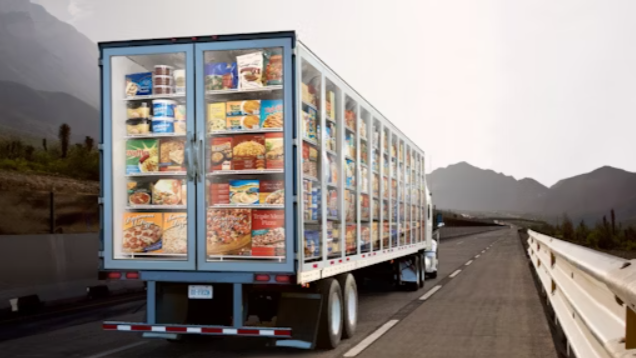
Cold chain logistics is a temperature-controlled supply chain designed to preserve the quality and safety of sensitive goods. It involves:
- Refrigerated storage facilities (warehouses, distribution centers).
- Temperature-controlled vehicles and containers (trucks, ships, aircraft).
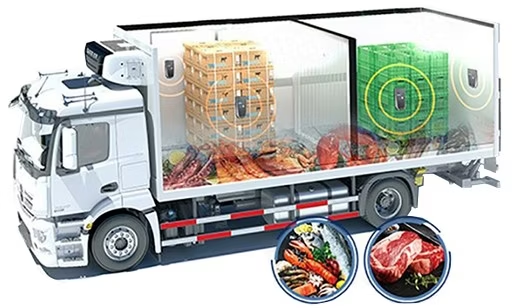
- Real-time monitoring systems (IoT and sensors).
- Strict regulatory compliance for health and safety.
Importance of Cold Chain Logistics
- Food Security
Preserves freshness and reduces waste of perishable goods.
- Healthcare and Pharmaceuticals
Essential for vaccines, insulin, and biotech products that require stable temperatures.
- Global Trade Growth
Enables safe export/import of agricultural and medical goods.
- Compliance with International Standards
Meets global regulations for food safety and pharmaceutical quality.
Key Technologies in Cold Chain Logistics
- IoT Sensors and Data Loggers: Provide real-time tracking of temperature and humidity.
- Blockchain: Ensures transparency and traceability across the supply chain.
- AI and Predictive Analytics: Anticipate risks and optimize cold storage capacity.
- Advanced Refrigeration Systems: More energy-efficient and eco-friendly solutions.
Benefits of Cold Chain Logistics
- Guarantees product quality and safety.
- Reduces waste and financial losses.
- Expands access to global markets for perishable goods.
- Increases customer trust through transparency.
- Supports green logistics by minimizing spoilage and energy waste.
Challenges in Cold Chain Logistics
- High Costs
Investment in specialized vehicles, warehouses, and technology is expensive.
- Infrastructure Gaps
Developing countries often lack advanced cold storage facilities.
- Energy Consumption
Maintaining constant refrigeration can be costly and environmentally demanding.
Risk of Disruptions
Delays, power outages, or equipment failures can compromise product integrity.
Future of Cold Chain Logistics
- Expansion in Pharma Logistics: Growing need for vaccine and biotech transport.
- Sustainable Cold Chain Solutions: Adoption of renewable energy and green refrigeration.
- Digital Transformation: Integration of IoT, AI, and blockchain for efficiency and reliability.
- Global Market Growth: Increasing demand for fresh and organic foods in international markets.
Cold chain logistics will continue to be a critical enabler of global trade, especially in healthcare and food industries.
Conclusion
Cold chain logistics is no longer a luxury—it is a necessity in today’s interconnected global economy. By ensuring safe and efficient transportation of temperature-sensitive goods, businesses can expand globally, build consumer trust, and comply with international standards.
While challenges such as high costs and infrastructure limitations remain, innovations in technology and sustainable practices promise a stronger, greener, and more reliable cold chain in the future.
Frequently Asked Questions (FAQ)
What industries depend on cold chain logistics?
Pharmaceuticals, food and beverage, agriculture, and biotech.
How does cold chain logistics reduce losses?
By maintaining correct temperatures, it prevents spoilage and ensures quality.
What technologies are used in modern cold chains?
IoT sensors, blockchain, AI analytics, and advanced refrigeration systems.
Is cold chain logistics environmentally sustainable?
Yes, especially with the rise of eco-friendly refrigeration and green logistics practices.