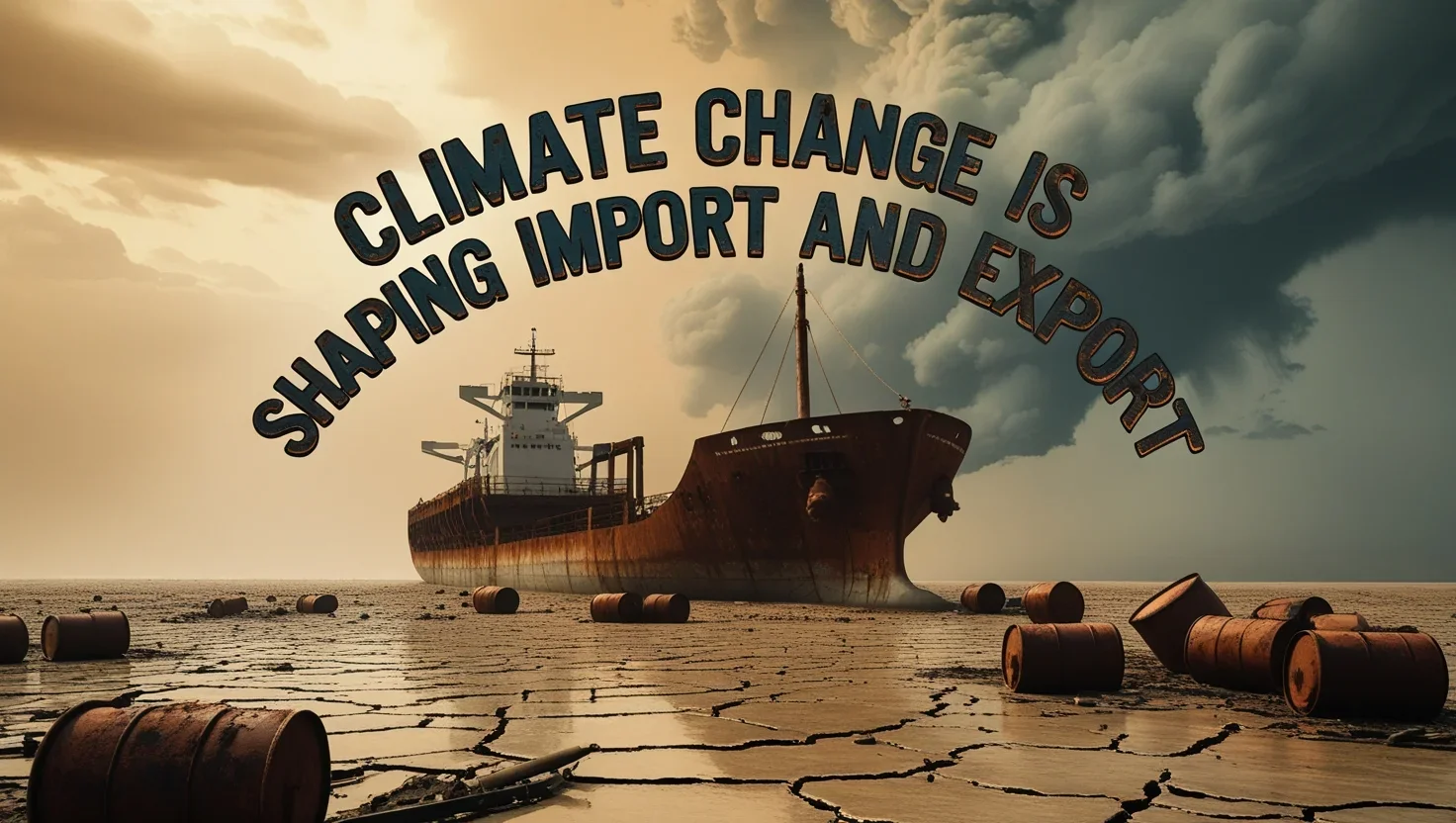
Discover how climate change is transforming trade patterns across the Middle East. This in-depth guide explores its impact on key industries, logistics, and long-term economic strategies.
Climate change is no longer a distant concern—it’s a pressing issue with real-time economic implications. In the Middle East, a region already facing arid conditions and extreme temperatures, the effects of climate change are being deeply felt across the trade landscape. From disrupted supply chains to changing agricultural output, the ripple effects are altering the way countries export and import goods.
How Climate Change Disrupts Trade

Climate change introduces a host of environmental stresses that directly interfere with traditional trade routes, logistical frameworks, and overall market accessibility in the Middle East.
Extreme Weather Events: The frequency and intensity of climate-related disasters—such as floods, heatwaves, and sandstorms—have risen significantly. These events cause delays in cargo movement, damage infrastructure, and increase the unpredictability of logistics, especially for time-sensitive goods. Ports in the Persian Gulf, such as those in Kuwait and Bahrain, have recorded temporary closures due to excessive heat or high tides.
Water Scarcity: Water availability is a critical component of many industrial and agricultural processes. The drying of rivers, depletion of groundwater, and reduction in rainfall are straining agricultural production. This leads to higher import reliance on food commodities and agricultural inputs, while simultaneously reducing export competitiveness in traditional sectors like dates, citrus, and grains.
MORE: How FinTech Is
Infrastructure Stress: Roads, bridges, and port infrastructure are not always built to withstand extreme temperature variations or intense flooding. The rising costs of maintenance and retrofitting divert funds from trade facilitation efforts. Moreover, limited availability of climate-resilient transport alternatives (e.g., electrified rail) further exposes the fragility of current trade systems.
Impact on Labor and Productivity: High temperatures reduce human productivity, especially in outdoor and manual labor sectors such as logistics, port operations, and factory handling. Increased heat stress among workers can lead to shortened shifts or higher healthcare costs, which indirectly raise the cost of moving goods.
Insurance and Trade Finance Risk: Insurers and lenders are becoming more cautious in regions facing climate volatility. Increased premiums or limited coverage in high-risk trade corridors add further financial barriers to import/export operations.
Disrupted Agricultural Cycles: Climate change is shifting planting and harvesting cycles, leading to inconsistency in production volumes and seasonal availability of goods. This unpredictability complicates long-term trade contracts and reduces bargaining power for exporters.
Sea-Level Rise: Low-lying coastal zones, which host many of the Middle East’s major ports—such as Dubai, Jeddah, and Doha—are increasingly threatened by sea-level rise. Over time, this could require massive investments in port elevation, sea walls, or relocation, adding long-term uncertainty to maritime trade operations.
Meran Trading Company with years of brilliant history in the field of import, export, clearance of goods as well as domestic and foreign trade services.
These overlapping disruptions reinforce one another and create a feedback loop where climate instability fuels economic and logistical instability in regional and international trade.
Sector-Specific Impacts
Agriculture: Declining rainfall and rising heat are reducing agricultural yields in countries like Iran, Iraq, and Syria, forcing them to increase food imports.
- Energy: Water scarcity threatens cooling systems in oil refineries and power plants, affecting energy exports.
- Construction: Climate regulations are pushing the demand for sustainable materials, affecting the types of goods imported.
- Logistics: Ports and shipping networks require climate-resilient infrastructure, often leading to increased operational costs.
Shifts in Regional Trade Relationships
As nations adapt, trade alliances shift. Countries that once relied on intra-regional trade are now seeking partnerships with more climate-resilient nations or investing in green technologies. The UAE and Saudi Arabia, for example, are exploring sustainable supply chains to diversify their trading routes.
MORE: Unleashing Efficiency
Policy Responses and Government Strategy
Many Middle Eastern countries are incorporating climate resilience into trade policy:
- Qatar’s National Climate Change Plan
- Saudi Arabia’s Vision 2030
- UAE’s Green Economy Initiative
These programs include emission controls, investment in renewable energy, and prioritizing low-carbon logistics solutions.
Supply Chain Adaptation Strategies
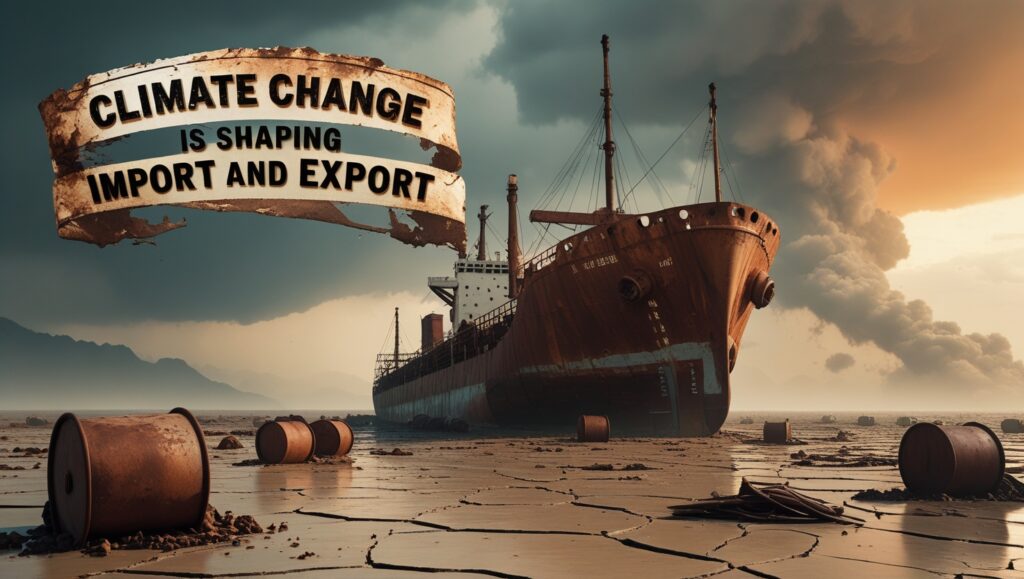
To remain competitive, companies and governments are:
- Shifting to rail and electric vehicle freight systems
- Diversifying suppliers to reduce dependency on climate-sensitive regions
- Investing in data-driven forecasting for demand and climate risks
- These shifts are slowly redefining import/export trends in the region.
The Rise of Green Trade
Environmental compliance is becoming a non-negotiable requirement. Carbon border taxes and sustainability benchmarks are being introduced globally, prompting Middle Eastern exporters to upgrade their practices or risk losing market access.
Countries that lead in green trade adaptation will gain competitive advantages, both regionally and globally.
Long-Term Outlook
Over the next decade, the Middle East’s trade future will be shaped by how well countries respond to climate-related disruptions. Those that embrace climate-resilient infrastructure, diversify exports, and prioritize sustainable logistics will emerge as new leaders in regional trade.
Conclusion
The impact of climate change on import and export in the Middle East is profound, touching nearly every sector. While the challenges are complex, they also present opportunities for transformation. By integrating environmental policies with economic planning, the region can redefine its role in global trade in a more sustainable and resilient manner.

(FAQ)
How is climate change affecting Middle Eastern exports?
It’s disrupting production and logistics, especially in agriculture and energy sectors, leading to reduced export stability.
Which countries in the region are leading in climate-resilient trade?
The UAE, Saudi Arabia, and Qatar are investing heavily in sustainable infrastructure and green logistics.
Will trade costs rise due to climate change?
Yes. Climate-resilient upgrades and unpredictable weather events are increasing operational expenses.
What is green trade?
Green trade refers to the production, transportation, and exchange of goods with minimal environmental impact, including carbon-efficient practices.
Can climate change create trade opportunities?
Yes, through innovation in renewable energy exports, sustainable materials, and eco-friendly logistics solutions.