As cities grow and global trade expands, the demand for efficient, sustainable, and safe transportation systems has never been greater. This has led to the rise of smart transport, a concept that integrates digital technologies, data analytics, and automation to transform the way people and goods move.
In summary, SEZs are instrumental in driving economic growth, enhancing trade relations, and fostering innovation in an increasingly interconnected world.
Meran group
From intelligent traffic systems to IoT-powered logistics and autonomous vehicles, smart transport is shaping the future of mobility and supply chains worldwide.
What is Smart Transport?

Smart transport (or intelligent transport systems) refers to the use of technology-driven solutions to improve transportation efficiency, safety, and sustainability. It combines:
- IoT sensors for real-time monitoring.
- Artificial Intelligence (AI) for predictive analytics.
- Big data for traffic and logistics optimization.
- Automation and autonomous systems for future mobility.
Key Features of Smart Transport
- Real-Time Tracking and Monitoring
GPS and IoT enable live tracking of vehicles, cargo, and passenger flows.
- Traffic Management Systems
Smart traffic lights and AI-driven routing reduce congestion.
- Digital Ticketing and Payment
Contactless, mobile-based systems enhance passenger experience.
- Autonomous and Connected Vehicles
Self-driving trucks, cars, and drones improve logistics efficiency.
- Sustainable Transport Solutions
Electric vehicles and optimized routes reduce environmental impact.
Meran Trading Company with years of brilliant history in the field of import, export, clearance of goods as well as domestic and foreign trade services.
Smart Transport in Logistics
- IoT-powered Fleet Management: Enhances route planning, reduces fuel use.
- Blockchain in Supply Chains: Provides secure and transparent records.
- AI Forecasting: Predicts demand and optimizes warehouse and delivery operations.
- Smart Ports and Terminals: Automates cargo handling, improves efficiency.
Benefits of Smart Transport
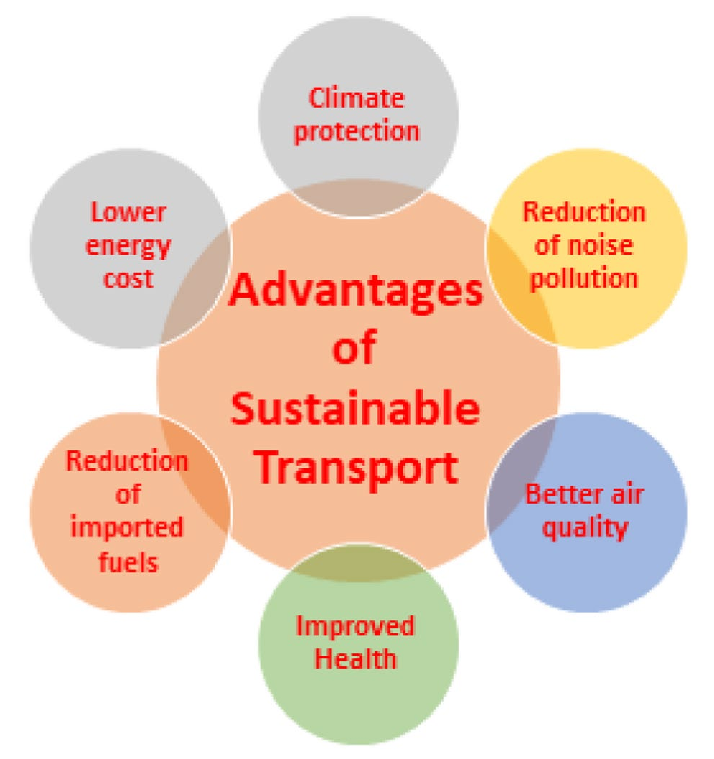
- Efficiency – Faster deliveries, reduced congestion, and optimized travel times.
- Cost Savings – Reduced fuel consumption and lower maintenance costs.
- Safety – AI-powered systems minimize human error and accident risks.
- Environmental Sustainability – Supports green logistics with lower emissions.
- Customer Experience – Real-time updates and reliable services improve trust.
Challenges of Smart Transport
- High Initial Costs for infrastructure and technology adoption.
- Cybersecurity Risks due to digital connectivity.
- Regulatory and Legal Issues regarding autonomous systems.
- Integration Complexity with existing infrastructure.
Future of Smart Transport

The next decade will see:
- Integration of 5G networks for faster data sharing.
- Expansion of autonomous vehicles in both urban transport and long-haul logistics.
- Sustainable innovations combining smart and green logistics.
- Smart cities powered by AI-driven mobility ecosystems.
As governments and businesses invest in digital transformation, smart transport will become the backbone of modern mobility and global supply chains.
Conclusion
Smart transport is revolutionizing how we move goods and people. By combining IoT, AI, blockchain, and automation, it offers greater efficiency, safety, and sustainability for modern logistics and mobility.
Despite challenges such as costs and cybersecurity, the benefits make smart transport a strategic investment for governments, logistics companies, and businesses worldwide.
Frequently Asked Questions (FAQ)
What does smart transport mean?
It refers to the use of digital and intelligent technologies to improve transportation systems.
How does smart transport benefit logistics?
Through real-time tracking, route optimization, automation, and enhanced efficiency.
What technologies drive smart transport?
IoT, AI, big data, blockchain, autonomous vehicles, and 5G.
Is smart transport environmentally friendly?
Yes. By reducing fuel use and supporting electrification, it aligns with green logistics.