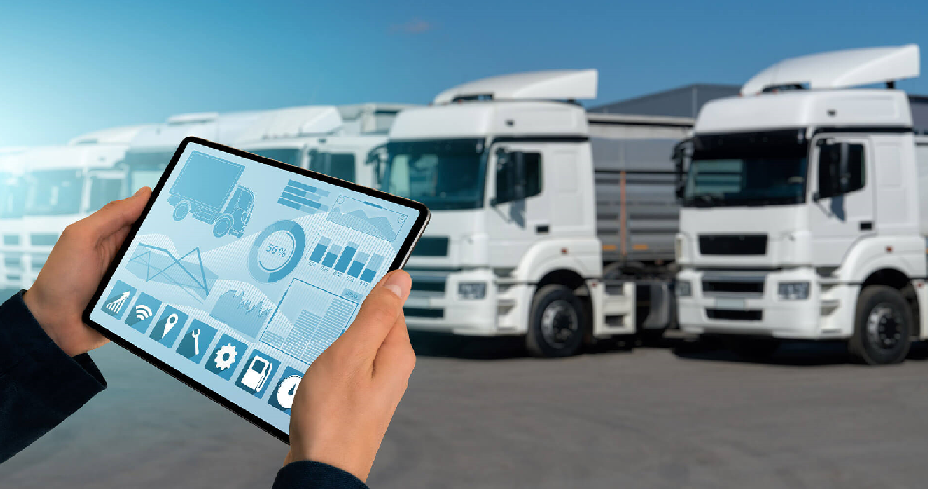
In today’s competitive logistics landscape, fleet management in transport plays a critical role in ensuring operational efficiency, safety, and profitability. Whether managing a fleet of trucks, ships, or delivery vans, companies must balance rising fuel costs, regulatory compliance, and customer expectations for faster and more reliable deliveries.
Meran Trading Company with years of brilliant history in the field of import, export, clearance of goods as well as domestic and foreign trade services.
This article explains what fleet management is, why it matters in modern transport and logistics, the technologies driving innovation, and how businesses can benefit from adopting advanced fleet management strategies.
What is Fleet Management?
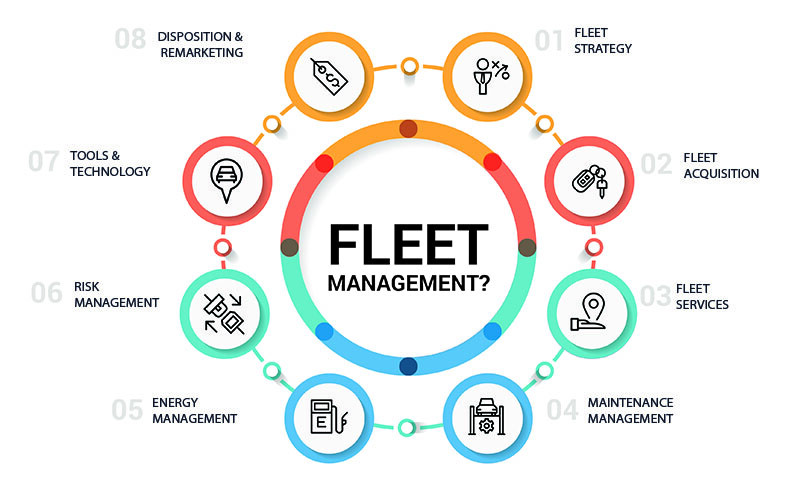
Fleet management refers to the process of organizing, controlling, and monitoring a company’s fleet of vehicles (or vessels) to ensure smooth operations. It includes:
- Vehicle acquisition and maintenance
- Route planning and optimization
- Fuel consumption monitoring
- Driver management and safety compliance
- Regulatory and insurance requirements
Effective fleet management ensures lower costs, improved efficiency, and enhanced customer service.
Importance of Fleet Management in Transport
- Cost Efficiency
Optimized fuel usage, reduced maintenance expenses, and better vehicle utilization.
- Operational Control
Real-time tracking and monitoring allow companies to respond quickly to disruptions.
- Safety and Compliance
Ensures that fleets meet regulatory standards and drivers follow safety protocols.
- Customer Satisfaction
On-time deliveries and transparent tracking improve client trust.
MORE: International Transportation of Sensitive Goods: Challenges, Solutions, and Innovations
Key Technologies in Fleet Management
- GPS Tracking Systems
Provide real-time location data to monitor routes, delivery times, and driver behavior.
- Telematics
Collects and analyzes vehicle data such as speed, fuel consumption, and maintenance needs.
- Route Optimization Software
Uses AI and data analytics to reduce travel time, fuel use, and costs.
- Fleet Management Platforms
Cloud-based platforms allow centralized control of large fleets with advanced reporting and forecasting tools.
- Predictive Maintenance
IoT sensors and AI detect issues before they become costly breakdowns.
Benefits of Effective Fleet Management

- Lower fuel and maintenance costs
- Improved safety and compliance
- Greater efficiency and productivity
- Reduced carbon footprint (supports green logistics)
- Enhanced customer satisfaction through reliable deliveries
Challenges in Fleet Management
- High Initial Investment in technology and systems.
- Data Security Risks due to digitalization.
- Driver Shortages and training requirements.
- Fuel Price Volatility, which impacts overall costs.
Future of Fleet Management
The future of fleet management in transport will be shaped by:
- Electrification of fleets (EV trucks and vans).
- AI-driven predictive analytics for smarter operations.
- Autonomous vehicles reducing dependence on drivers.
- Sustainable practices aligned with green logistics goals.
Companies that embrace these innovations will achieve a competitive edge in global logistics.
MORE: Smart Customs Regulations: How Technology is Transforming Global Trade
Conclusion
Fleet management in transport is no longer just about maintaining vehicles—it’s about using technology, data, and smart strategies to optimize logistics operations. From GPS tracking to AI-powered route planning, companies can reduce costs, improve efficiency, and deliver a better experience for customers.
By adopting advanced fleet management solutions today, businesses can prepare for the future of digital, sustainable, and customer-centric logistics.
Looking to optimize your fleet operations and reduce logistics costs?
Our expert team provides fleet management solutions, telematics integration, and smart route planning for transport companies worldwide.
Contact us today to take your fleet performance to the next level
Frequently Asked Questions (FAQ)
What is fleet management in transport?
It is the process of managing vehicles or vessels to ensure efficiency, safety, and cost-effectiveness.
What technologies are used in fleet management?
GPS tracking, telematics, route optimization software, and predictive maintenance systems.
How does fleet management reduce costs?
By lowering fuel consumption, minimizing breakdowns, and improving vehicle utilization.
What is the future of fleet management?
The rise of electric vehicles, AI, autonomous fleets, and sustainable practices.